

TL;DR
What is career readiness? Career readiness refers to the skills, behaviours, and mindset needed to succeed in the workplace. It’s important because employers look for job-ready candidates who can communicate, adapt, and apply their training in real-world environments.
If you’re preparing for the workforce, you may have heard the term “career readiness” used by employers, educators, and career advisors alike. So, what is career readiness? Career readiness goes beyond earning a credential. It reflects how prepared you are to step into a role, contribute effectively, and grow professionally once hired.
In today’s job market, employers are looking for more than technical knowledge. They want candidates who can communicate clearly, solve problems, and adapt to workplace expectations. This article breaks down what career readiness really means, why it’s so important, and how career-focused education helps students transition successfully from learning to employment.
What Is Career Readiness in Today’s Workforce?
Career readiness refers to a combination of skills, behaviours, and attitudes that allow individuals to succeed in professional environments. This includes technical competence, but also soft skills such as communication, time management, teamwork, and accountability.
In real hiring environments, candidates who demonstrate career readiness tend to stand out quickly. According to the Government of Canada’s Job Bank, employability skills such as adaptability, professionalism, and problem-solving are consistently ranked among the most important traits employers seek across industries.
Why Is Career Readiness Important for Long-Term Success?
Career readiness matters because it directly affects employability, job performance, and career growth. Career-ready graduates are more likely to transition smoothly into their roles, meet employer expectations, and adapt to workplace culture.
Without career readiness, even technically skilled individuals may struggle. A lack of these result in misunderstandings around communication, punctuality, or workplace norms can limit career progression. This is why career readiness is increasingly emphasized alongside formal education.
How Do Career Training Programs Support Career Readiness?
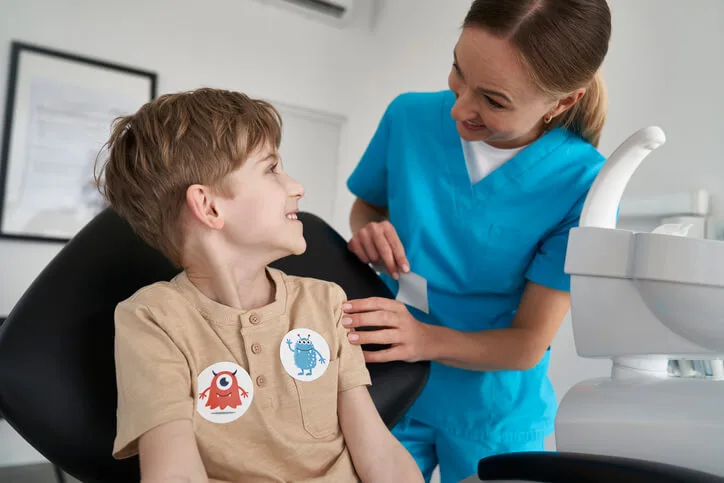
One of the most effective ways to build career readiness is through structured career training programs that align learning with real-world expectations. These programs focus not only on subject knowledge but also on practical application, professionalism, and job-specific skills.
At Discovery Community College in BC, students benefit from hands-on training, simulated work environments, and career-focused instruction. These experiences help bridge the gap between theory and practice, preparing students to enter the workforce with confidence.
What Skills Are Most Closely Linked to Career Readiness?
Career readiness is built on a set of core competencies that apply across industries. These include communication, critical thinking, teamwork, adaptability, and professionalism.
The World Economic Forum consistently highlights these skills as essential for future workforce success. Students who actively develop these skills during training are better equipped to handle workplace challenges and change.
How Does Career Readiness Apply to Healthcare and Business Careers?
In fields like healthcare and business, career readiness is especially important. Professionals must communicate clearly, follow procedures, and respond effectively in high-responsibility environments.
Programs offering healthcare and business training often integrate career readiness into coursework through practical assignments, case studies, and real-world scenarios. This ensures graduates are not only qualified but also prepared to function effectively from day one.

How Can Students Actively Build Career Readiness?
Students can build career readiness by engaging fully in their training, seeking feedback, practicing communication skills, and understanding workplace expectations early. Participation in hands-on learning and career development activities strengthens confidence and professionalism.
Education providers that prioritize career readiness help students develop habits that support long-term success, not just initial employment.
Are you looking for comprehensive healthcare and business training?
Contact Discovery Community College for more information.
Key Takeaways
- Career readiness combines skills, behaviour, and mindset
- Employers value job-ready candidates across all industries
- Career-focused education supports real-world preparation
- Healthcare and business careers demand strong career readiness
FAQ: Career Readiness
Q: What is career readiness?
A: Career readiness goes beyond earning a credential. It reflects how prepared you are to step into a role, contribute effectively, and grow professionally once hired.
Q: Why is career readiness important?
A: Career readiness matters because it directly affects employability, job performance, and career growth. Career-ready graduates are more likely to transition smoothly into their roles, meet employer expectations, and adapt to workplace culture.
Q: How do career training programs support career readiness?
A: One of the most effective ways to build career readiness is through structured career training programs that align learning with real-world expectations.