


Health care assistants are essential to the daily care and well-being of people in hospitals, long-term care facilities, and home support settings. Their work is hands-on, personal, and deeply meaningful, but what exactly does the job involve? Understanding health care assistant job duties is a key first step if you’re thinking about this career path and want to know what it’s really like to support others in a healthcare setting.
If you’re considering this career path, this blog post explores what the job entails and how training can prepare you for success.
Understanding the Health Care Assistant Job Duties
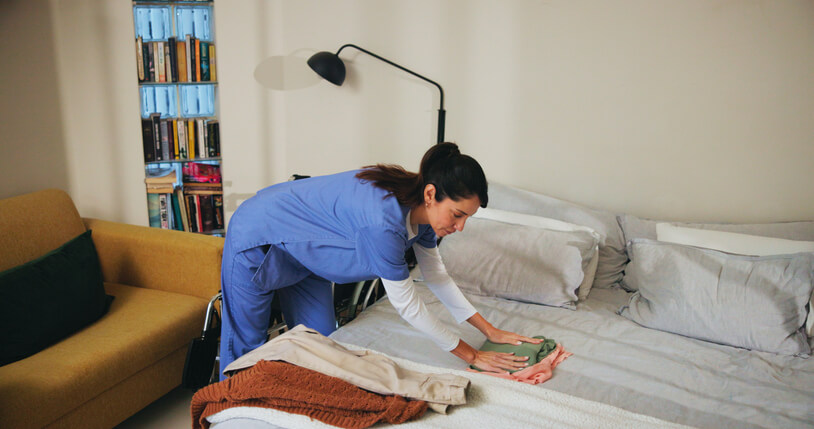
At the heart of this role is the responsibility to assist individuals with day-to-day living. Many clients, especially seniors or those with chronic conditions, depend on their health care assistants for help getting out of bed, dressing, using the bathroom, eating meals, and managing their hygiene. But beyond these essentials, the role also requires emotional attentiveness and strong communication.
Every day, you’ll interact with clients who may be feeling vulnerable, isolated, or anxious. Offering reassurance, listening closely, and providing gentle, consistent care can make a major difference in their quality of life.
As you build your skills, you’ll also learn to take note of subtle changes in your clients’ physical or emotional condition. This is where professional healthcare assistant training becomes critical; it helps you understand what to look for and how to respond in a way that supports the broader care team.

Building a Foundation for Safety and Support
Another major responsibility of health care assistants is maintaining a safe and hygienic environment. You may assist with cleaning, disinfecting equipment, or supporting infection control protocols, skills that have become even more essential in recent years.
Health care settings can be fast-paced, and safety needs can shift quickly. Whether you’re in a long-term care facility, a hospital, or providing home support, your attention to detail will help keep both clients and coworkers protected.
With practical training from a respected career college, you’ll also become familiar with the standards and routines that make patient care more effective and consistent.
Communication and Observation: Key to Quality Care
Health care assistants don’t just carry out tasks; they observe, document, and report on the client’s well-being. You’ll often be the first to notice signs that someone isn’t feeling well, such as a sudden loss of appetite or a change in mood or mobility.
These observations are vital. By flagging them early, you help nurses and doctors intervene quickly and tailor treatment as needed. This type of responsibility requires good judgment, training, and a natural sense of care, something you’ll develop through hands-on experience during your program.
If you’re ready to take the first step, DCC’s healthcare assistant career program provides a practical path forward, giving you the tools that matter in real-world situations.
A Career With Human Impact
Few roles are as deeply personal and rewarding as that of a health care assistant. Your work will support people through challenging chapters in their lives, offering stability and kindness when it’s needed most.
You won’t just be part of a team, you’ll become part of someone’s daily routine, their sense of independence, and often, their source of comfort. That’s a powerful reason to consider this profession.
If you’re looking for a career that blends medical skills with compassion, this may be exactly what you’re meant to do. Understanding the major health care assistant job duties can be the first step toward a rewarding career in this role.
Are you interested in training for a rewarding future at a reputable career college?
Contact the Discovery Community College for more information.