

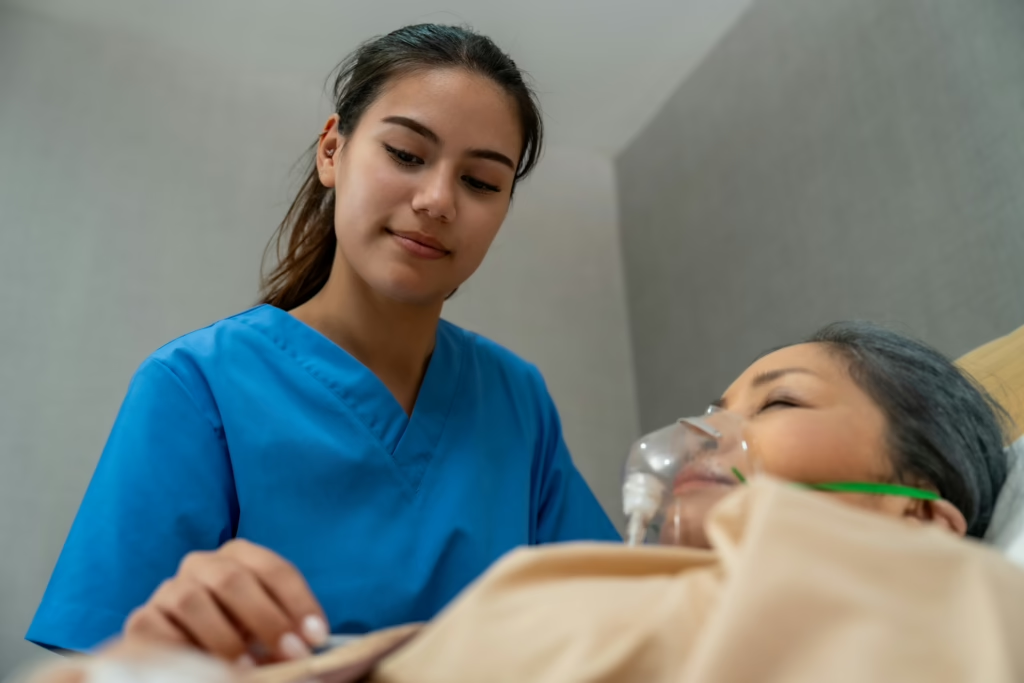
Your first clinical placement is one of the most exciting and meaningful parts of your practical nurse training. It’s the moment when textbooks and classroom practice become real—when you finally step onto the unit, meet patients, and collaborate with healthcare professionals. While it’s normal to feel nervous, knowing what to expect can make your transition into clinical practice smooth, confident, and rewarding.
Clinical placements give you the chance to apply your skills, develop your professional identity, and experience firsthand what it takes to provide safe, compassionate patient care. With the right preparation and mindset, you can make the most of every shift.
What to Expect in Your Practical Nursing Clinicals
Clinical rotations are designed to expose you to the day-to-day responsibilities of a practical nurse. Under the supervision of an instructor or preceptor, you’ll gradually take on more tasks as your confidence grows.
Here’s what you can expect:
- Hands-On Skill Application: Expect to perform skills such as vital signs, dressing changes, medication administration (once you’re approved), and documentation. These tasks help reinforce everything you’ve practiced in labs.
- Working Within a Healthcare Team: You’ll collaborate with RNs, physicians, care aides, and other professionals. Observing teamwork in action will help you understand workflow, communication styles, and safety protocols.
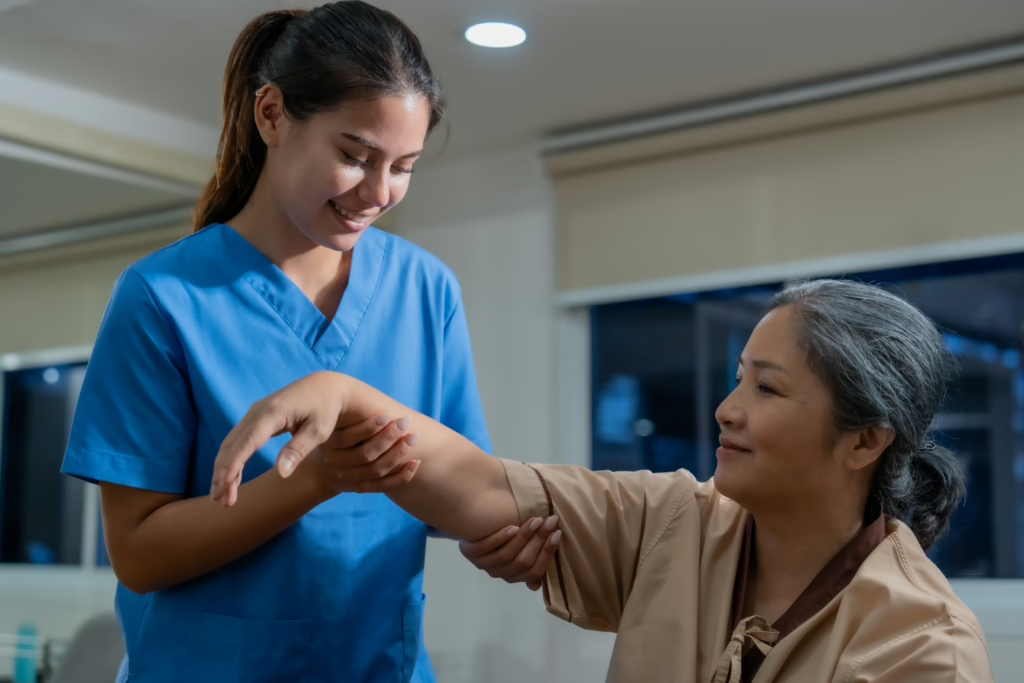
- Real Patient Interaction: You’ll assist with personal care, mobility, feeding, and communication. Building rapport and learning how to connect with patients is a key part of your practical nurse diploma experience.
- Time Management Practice: Balancing multiple tasks and patient needs is a major learning curve. Clinicals help you develop prioritization and organizational skills that are essential in nursing.
How to Prepare Before Your First Day
Review Key Skills: Before stepping onto the unit, revisit vital signs, aseptic technique, patient transfers, and charting principles. These foundational skills will be your go-to during the first few weeks.
Know Your Learning Objectives: Each rotation has specific goals. Understanding them ahead of time helps you stay focused and motivated throughout your placement.
Organize Your Clinical Bag: Stock it with essentials such as a penlight, a watch with a second hand, a small notebook, a black pen, a stethoscope, and hand sanitizer.
Refresh Your Knowledge of Common Conditions: Review basic information on chronic illnesses like diabetes, COPD, and hypertension. This helps you understand why certain interventions are used.
Plan for Professionalism: From punctuality to dress code to communication, professionalism sets the tone for a positive clinical experience and leaves a strong impression on your preceptors.
Tips for Reducing First-Day Nerves
- Arrive Early: Give yourself time to breathe, find the unit, and settle in before the shift begins.
- Ask Questions: Clinical instructors expect you to learn. Asking thoughtful questions shows initiative and helps you grow.
- Start Small, Build Confidence: You don’t need to master everything on day one. Focus on one or two skills at a time.
- Lean on Your Classmates: You’re all going through the same transition. Supporting one another can reduce stress and build camaraderie.
- Remember Why You’re Here: Every clinical day, no matter how challenging, brings you closer to providing meaningful care to patients.

Why DCC Is the Right Choice for Your Practical Nurse Training
Discovery Community College prepares students for clinical success through hands-on labs, supportive instructors, and a curriculum designed to mirror real healthcare environments. With comprehensive practical nurse training, students enter placements feeling ready, capable, and confident. The practical nurse diploma program emphasizes safety, professionalism, and compassionate care—qualities that clinical supervisors look for in their students.
If you’re ready to take the next step and become a practical nurse, DCC offers the education and clinical preparation you need to thrive in today’s healthcare field.
Do you want to become a practical nurse?
Contact DCC for more information.