

In Brief: Physical Demands of Dental Assisting: What to Expect
Dental assisting can be physically demanding, but the demands vary by task, workplace, and how clinical work is organized. Dental assistants may spend extended periods sitting or standing, lean toward patients, reach for instruments, and perform precise hand movements. Ergonomic positioning and well-organized workstations can help manage some of these demands. Before enrolling, prospective students should ask about hands-on lab activities, placement expectations, workstation arrangements, and any individual learning or accessibility needs.
If you’re considering a career in dental assisting, you may be wondering what the work will actually feel like. Will you spend hours on your feet? Does the job require a steady hand? And how much bending, reaching, or sitting in one position should you expect? These are practical questions worth asking before you commit to training, especially if you want a career that suits your physical abilities and preferences.
The physical demands of dental assisting vary depending on the procedure, workplace, and equipment available. Some tasks involve standing and moving around the treatment area, while others require sustained seated positioning and careful hand movements. Understanding these differences can help you make an informed decision about your training. This guide explores what dental assisting feels like in practice, why ergonomics matters, and the questions to ask when visiting a training campus.
What Are the Physical Demands of Dental Assisting?
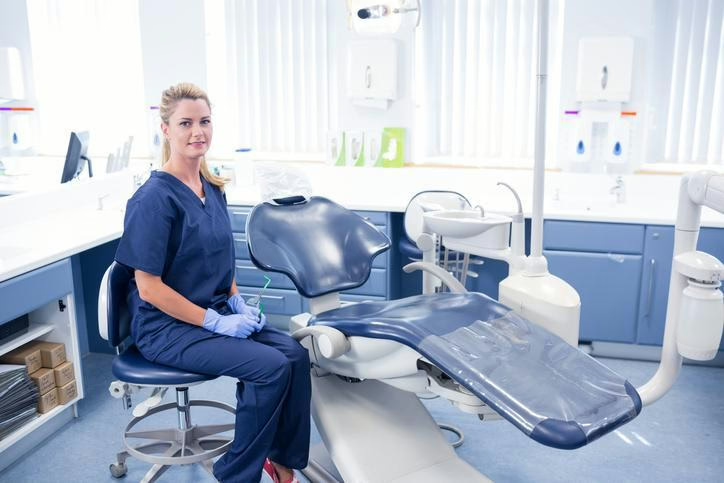
Dental assisting involves a combination of sitting, standing, reaching, bending, and repetitive hand movements. The balance changes throughout the working day, depending on the procedures being performed and how responsibilities are organized.
For example, a dental assistant may sit beside a patient during a procedure, stand while preparing a treatment area, or move between workstations to collect materials. Some activities require sustained attention and precise movements in a relatively small working space.
According to the Government of Canada’s Job Bank, the occupational category covering dental assistants and dental laboratory assistants involves physical activities such as sitting, standing, bending or twisting, manual handling, and repetitive movements. The specific demands of dental assisting vary by role and workplace.
These descriptions offer a useful starting point, but they don’t tell you exactly how every dental clinic operates.
What might these activities feel like during a working day?
| Activity | Physical demand | Question to ask during a program visit |
|---|---|---|
| Chairside assisting | Sitting or standing near the patient while maintaining access to instruments | How do students practise positioning themselves beside the dental chair? |
| Instrument handling | Repeated, controlled finger and hand movements | What opportunities are available to practise instrument handling? |
| Preparing treatment areas | Standing, reaching, and moving equipment or supplies | How are students taught to organize their workstations? |
| Clinical procedures | Maintaining a stable position while performing detailed tasks | How long do typical practical sessions last? |
| Moving between workstations | Walking, standing, and occasionally bending or reaching | What does a typical lab or clinical training day involve? |
| Dental laboratory activities | Fine hand movements and periods of seated work | What kinds of hands-on laboratory activities will students complete? |
When assessing dental assisting career fit, think about which activities appeal to you and which ones you’d like to understand better. You don’t need to predict exactly how you’ll feel during every procedure. Instead, use these examples to start informed conversations with program staff.
Why Do Posture and Workstation Positioning Matter?
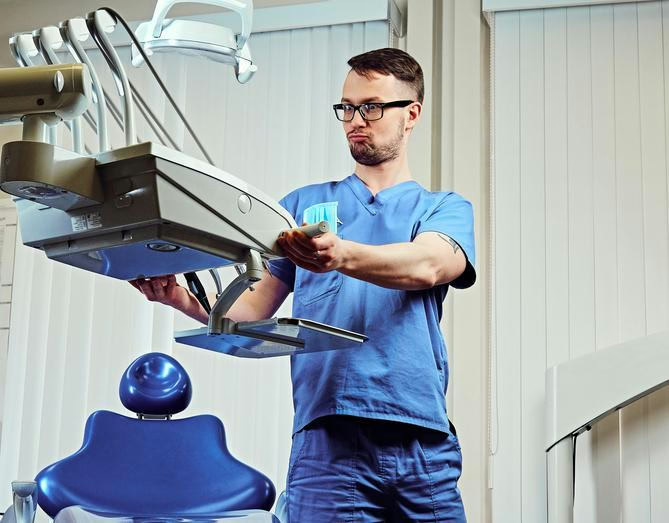
Dental assistants often work close to patients in a limited space. Depending on the procedure, they may need to maintain a particular position while keeping instruments accessible to the dentist. Poor workstation positioning can increase physical strain, particularly when someone repeatedly twists, reaches too far, or holds an awkward posture. That’s why dental assistant ergonomics deserves attention during training and throughout a dental career.
Ergonomics focuses on arranging tasks, equipment, and working environments to better suit the people performing the work. In dental settings, this may involve adjusting seating, positioning instruments within comfortable reach, and organizing the treatment area to reduce unnecessary movement.
For prospective students, the important question is how these principles appear in practical training. When visiting a campus, ask whether students can adjust their seating and how instructors demonstrate positioning around the dental chair. You can also ask how students learn to recognize and correct awkward working positions.
These are questions about the learning environment rather than medical recommendations. If you have concerns about your individual physical needs, discuss them with an appropriate healthcare professional and the college.

How Do Precise Hand Movements Support Clinical Tasks?
Dental assisting frequently involves working with small instruments in a confined area. Being able to control hand and finger movements helps assistants position equipment and carry out detailed tasks accurately.
This is where dental assistant manual dexterity becomes relevant.
Manual dexterity refers to the ability to make controlled movements with the hands and fingers. In dental assisting, it supports activities such as passing instruments, handling dental materials, and positioning equipment during procedures.
Some activities require both hands to work together. Others involve maintaining a steady position while making small adjustments.
It’s understandable to wonder whether you already have the necessary coordination. However, prospective students shouldn’t assume that every skill must be fully developed before training begins. Practical education provides opportunities to become familiar with equipment, practise techniques, and receive instructor feedback.
At Discovery Community College, our Dental Assistant Level II program includes practical instruction in operative dental assisting, dental radiography, prosthodontics, dental laboratory work, and patient care clinics. Students also complete clinical practice experiences.
These activities give students opportunities to work with the instruments and procedures associated with dental assisting. If you’re interested in dental assistant training in BC, ask instructors how practical skills are introduced, assessed, and developed throughout the program.
What Should You Ask About Lab Activities and Placement Expectations?
Before choosing a dental assisting program, it’s worth understanding how much of your learning will involve practical work.
Classroom instruction can help you understand the principles behind dental procedures, but hands-on activities introduce the physical realities of working around patients, instruments, and clinical equipment.
Our Dental Assistant Level II training in Surrey combines classroom learning with practical experience in an on-site dental clinic, including work with patients and clinical practicums in dental practices. The program includes 1,150 hours of training, with DCC currently listing 41-, 55-, and 68-week schedules. Prospective students should confirm the schedule available for their intended intake.
When speaking with program staff, ask about the duration of lab sessions, the physical activities involved in patient care clinics, and the expectations for clinical placements. You may also want to know how students receive feedback on workstation positioning and instrument handling.
Practicum requirements deserve particular attention. Dental assisting placements at DCC may take place across the Lower Mainland and Fraser Valley, and students are responsible for arranging their transportation. Understanding these details early can help you plan around travel, scheduling, and other commitments.
If you have an individual learning or accessibility concern, ask how the college reviews those needs in relation to essential program requirements and clinical placement expectations. Available arrangements should be discussed individually rather than assumed.
How Can a Campus Tour Help You Assess the Learning Environment?
Reading about a program is helpful, but seeing the learning environment can answer questions that are difficult to resolve from a course description alone.
During a campus visit, you may be able to learn more about the layout of practical training spaces, the equipment students use, and how hands-on instruction is organized.
Pay attention to the types of workstations available and ask how students practise moving between different clinical activities. For someone considering dental assisting, these details can make the career feel more tangible.
You might also find it useful to ask how instructors introduce unfamiliar equipment and what happens when a student needs additional clarification about a practical technique.
A campus tour isn’t a substitute for completing formal program assessments or discussing individual requirements. It is, however, an opportunity to gather information and ask more specific questions.
If you’d like to explore our Surrey training environment, you can book a DCC campus tour and ask about the practical learning experience.
How Can You Decide Whether Dental Assisting Is the Right Physical Fit?
Choosing a career involves more than finding a subject that interests you. It also means understanding what the work asks of you throughout a typical day.
Dental assisting may appeal to people who enjoy practical activities, working closely with others, and developing detailed technical skills. But the physical experience can differ between clinics, procedures, and individual roles.
A useful way to assess dental assisting career fit is to consider the working conditions alongside your own preferences and needs. Think about how you feel about activities that involve prolonged sitting or standing, working in close proximity to patients, and performing repeated fine hand movements. Then ask how the training program prepares students for those activities.
It’s equally important not to make assumptions about who can pursue dental assisting based on a general description of its physical demands. Individual circumstances vary, and questions about accessibility, essential requirements, and potential supports deserve an individual discussion.
If you’re considering our program, we encourage you to discuss program requirements with admissions. Our team can help you understand the training structure and identify the appropriate next steps for questions about individual learning needs. Understanding the physical side of dental assisting before enrolling can help you make a more informed decision.
Are you considering Dental Assistant Level II training that combines classroom learning, hands-on clinical practice, and real patient experience?
Contact DCC for more information.
Key Takeaways
- Dental assisting can involve sitting, standing, reaching, bending, and repetitive hand movements.
- The physical demands vary according to the procedure, workplace, and organization of clinical tasks.
- Ergonomics and workstation positioning are important considerations during practical training.
- Manual dexterity supports detailed clinical activities, and students can develop familiarity with techniques through practice.
- Prospective students should ask about lab sessions, clinical placements, and workstation arrangements before enrolling.
- Individual learning and accessibility needs should be discussed with the college rather than assessed through general assumptions about physical ability.
FAQ
Is Dental Assisting Physically Demanding?
Yes, dental assisting can be physically demanding. The work may involve prolonged sitting or standing, bending, reaching, and repeated hand movements. However, the demands vary by workplace, procedure, and individual responsibilities. Prospective students should explore the specific activities involved before deciding whether the career suits them.
Do Dental Assistants Spend the Whole Day Standing?
Not necessarily. Dental assistants may alternate between sitting during chairside procedures, standing while preparing treatment areas, and moving between workstations. The amount of time spent in each position depends on the workplace and daily schedule.
Why Is Manual Dexterity Important in Dental Assisting?
Manual dexterity supports the precise hand and finger movements needed to handle dental instruments, position equipment, and work with dental materials. Training provides opportunities to practise these movements and develop familiarity with clinical techniques.
What Should Prospective Students Ask About Ergonomics During Training?
Ask how students learn appropriate seating and workstation positioning, whether equipment can be adjusted, and how instructors provide feedback during practical activities. You can also ask about the duration of clinical sessions and opportunities to change working positions.
Who Should You Contact to Discuss Individual Learning or Accessibility Needs?
Contact the college’s admissions team to discuss individual learning needs, essential program requirements, and the appropriate process for exploring accessibility supports. For questions involving clinical placements, ask how the relevant requirements are reviewed and who can provide further guidance.