

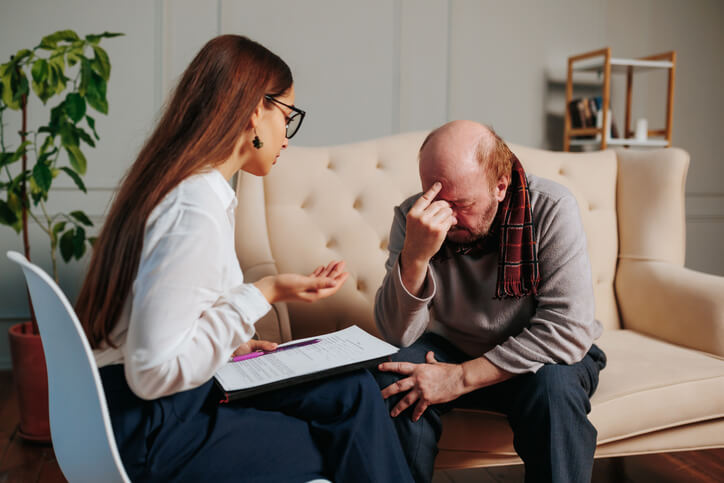
If you’re passionate about helping others and want to make a difference in your community, learning how to become a community mental health worker could be the answer. As mental health awareness grows and more people seek accessible, compassionate care, this role has become essential in supporting individuals with mental health and addiction challenges.
In this blog, we’ll walk you through becoming a community mental health worker, from required education and training to the everyday responsibilities and career potential that come with the role.
How to Become a Community Mental Health Worker Step 1: Understand the Role
Before diving into training, it’s important to know what community mental health workers actually do. They support individuals struggling with mental health issues, addictions, trauma, or other personal challenges. They don’t diagnose or treat conditions like psychiatrists or psychologists do, but they help connect clients with resources, provide emotional support, and assist in daily life management.
Typical responsibilities may include:
- Helping clients access healthcare or housing services
- Assisting with crisis intervention and prevention
- Coordinating with other healthcare professionals
- Advocating for clients’ needs
- Running group sessions or workshops
- Offering emotional support and practical assistance
This role requires patience, empathy, good communication skills, and the ability to stay calm under pressure.
Step 2: Get the Right Education
To begin a community mental health worker career, the first step is enrolling in the appropriate educational program. You’ll need to develop knowledge in areas like:
- Psychology and mental health disorders
- Addictions and recovery models
- Life span development
- Trauma-informed care
- Communication and counseling strategies
At Discovery Community College, our community mental health worker training covers all of these core subjects. The program is designed to prepare you for real-world challenges, giving you both academic knowledge and practical skills through classroom instruction and hands-on experience.

Step 3: Gain Experience Through Practicum Work
Hands-on training is a key part of most community mental health worker courses. At DCC, you’ll participate in a practicum placement, where you apply what you’ve learned in actual community settings, such as group homes, shelters, or addiction recovery centres.
This experience builds confidence and gives you a feel for the kind of clients and situations you might encounter in your professional life.
Step 4: Build a Resume and Start Job Searching
Once you’ve completed your training, it’s time to explore the job market. Roles you qualify for include:
- Community Mental Health Worker
- Addictions Worker
- Crisis Intervention Worker
- Residential Support Worker
- Youth Outreach Worker
Depending on the organization, you may work in a hospital, nonprofit agency, school, or residential care facility. Some roles are full-time, while others may involve shift work or on-call duties.
Highlight your practicum experience, interpersonal skills, and your ability to stay composed in challenging situations. Employers value candidates who bring both compassion and professionalism to this line of work after community mental health worker training.

Step 5: Keep Learning and Growing
Mental health work is always evolving, and staying current is key to long-term success. Ongoing education, professional development workshops, and even pursuing additional certifications can help you advance your career and better support your clients.
Some community workers go on to specialize in areas like youth services, Indigenous mental health, or addiction recovery. Others may pursue advanced roles in case management or supervision.
Make a Real Difference With DCC
If you’re ready to take the first step toward a meaningful and impactful career, Discovery Community College offers the tools to get you started. Our community mental health worker training is designed to prepare you for success in the field and help you contribute to healthier, more resilient communities.
Are you interested in a community mental health worker career?
Contact DCC for more information.