

TL;DR
A health care assistant practicum BC placement gives students hands-on experience in real care environments. Through structured health care assistant clinical placement hours, students build confidence, apply their training, and prepare for entry-level roles in health care.
Starting your health care assistant practicum in BC placement is a major milestone in your training. It marks the transition from classroom learning to real-world care, where you begin working directly with patients and health care teams.
During this stage, students move beyond theory and simulation into hands-on environments such as long-term care facilities and community settings. This is where the skills developed during health care assistant training in BC come together in a meaningful way.
If you’re enrolled in an HCA program in BC, understanding what to expect before your first placement can help you feel more prepared and confident as you begin this important step.
What Is Included in a Health Care Assistant Practicum?
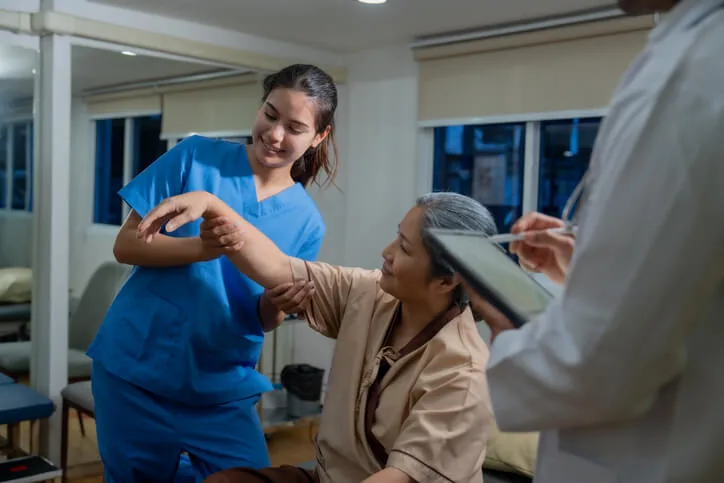
A health care assistant practice placement is designed to give students direct experience supporting patients in real health care environments. This includes assisting with daily living activities, observing care routines, and working alongside experienced staff.
In a structured health care assistant clinical placement, students gradually take on responsibilities while being supervised. This ensures that they build both competence and confidence in a safe setting.
The practicum reflects the real responsibilities outlined in What Does a Health Care Assistant Do?, helping students understand the role from a practical perspective.
How Many Practicum Hours Are Required?
How many practicum hours are included in HCA training? In a typical HCA program in BC, practicum hours form a significant part of the overall training. In Discovery Community College’s program, students are required to complete approximately 280 hours of practicum, divided across different care environments.
This often includes:
- Around 220 hours in multi-level or complex care facilities
- Approximately 60 hours in home support, assisted living, or group home settings
These health care assistant practicum hours ensure that students gain exposure to a range of patient needs and care scenarios.
Where Do Students Complete Their Placements?
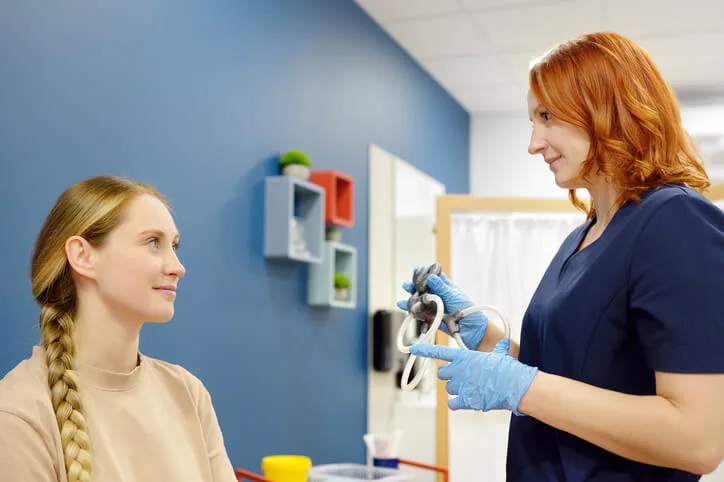
Where do Health Care Assistant students complete practice placements? Students complete their health care assistant practice placement in real health care environments across British Columbia. These may include long-term care homes, assisted living facilities, and community-based care settings.
Each environment offers a slightly different experience. Some placements focus on complex care, while others emphasize community support and daily living assistance.
This variety helps students understand the full scope of health care assistant training in BC and prepares them for different career paths.
How to Prepare for Your First Health Care Assistant Practicum in BC
How can I prepare for my first HCA practicum? Preparation plays an important role in your success during your health care assistant practicum in BC. Before starting, it’s helpful to review key skills such as communication, personal care techniques, and safety procedures.
Arriving with a professional mindset is equally important. Being punctual, attentive, and willing to learn will help you adapt quickly to the clinical environment.
Many students find that reviewing course materials and reflecting on their training helps build confidence before entering their health care assistant clinical placement.
Building Confidence Through Hands-On Experience
The practicum is where learning becomes real. During your placement, you will interact with patients, support daily care routines, and observe how health care teams work together.
This hands-on experience helps you develop practical skills that cannot be fully learned in a classroom. It also builds confidence, allowing you to apply your knowledge in real situations.
Programs like the Health Care Assistant program at Discovery Community College are designed with this progression in mind, combining theory, simulation, and practical experience to support student success.

Why Practicum Experience Matters
Completing a health care assistant practicum in BC placement is not just a program requirement; it is a key step toward employment. Employers value HCAs who have real-world experience and are comfortable working in care environments.
With strong demand for health care professionals in BC, practical experience helps students stand out and transition more smoothly into the workforce.
This is one reason why comprehensive career training programs emphasize hands-on learning as a core component of student development.
Are you looking for comprehensive career training programs?
Contact Discovery Community College for more information.
Key Takeaways
- A health care assistant practicum BC placement provides essential hands-on experience
- Students complete structured health care assistant practicum hours across multiple care settings
- Practice placements build confidence and real-world skills
- Preparation and professionalism are key to success during practicum
- Practical experience supports a smooth transition into health care careers
FAQ
What is included in a Health Care Assistant practicum?
Students gain hands-on experience assisting patients and working alongside health care professionals.
How many practicum hours are included in HCA training?
Typically around 280 hours, split across different care environments.
Where do Health Care Assistant students complete practice placements?
In long-term care facilities, assisted living environments, and community settings.
How can I prepare for my first HCA practicum?
Review your training, practice communication skills, and approach the placement with a professional mindset.
Does HCA training include hands-on practice?
Yes, practicum placements are a core part of Health Care Assistant training programs.