

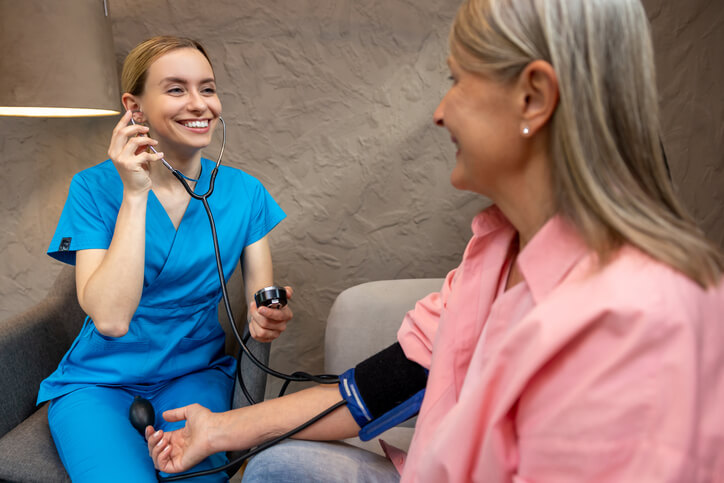
If you’ve ever asked yourself, “What is a Licensed Practical Nurse?” the best way to answer is to step into their shoes for a day. LPNs are often the ones greeting patients in the morning, checking vital signs, and preparing them for treatments.
These early tasks may look clinical on the surface, but they’re also deeply human. Every blood pressure check or medication reminder is paired with a reassuring word or a calm presence that helps patients feel cared for.
Morning: Setting the Tone for Care
The day often begins with patient check-ins. Licensed Practical Nurses record vital signs, administer medications, and assist patients with morning routines like mobility or personal hygiene.
These tasks may sound routine, but they set the tone for the rest of the day. Patients feel reassured knowing someone is there to monitor their health closely and respond quickly if something changes.
Midday: A Blend of Clinical Skills and Support
By midday, the work of an LPN is in full swing. This might mean changing wound dressings, supporting rehabilitation exercises, or updating charts so doctors and registered nurses have the most accurate information.
But what does a Licensed Practical Nurse do beyond medical care? They listen. They explain procedures in ways families can understand. They sit with patients who may be nervous or lonely. This combination of clinical ability and emotional presence is what makes the role so impactful.
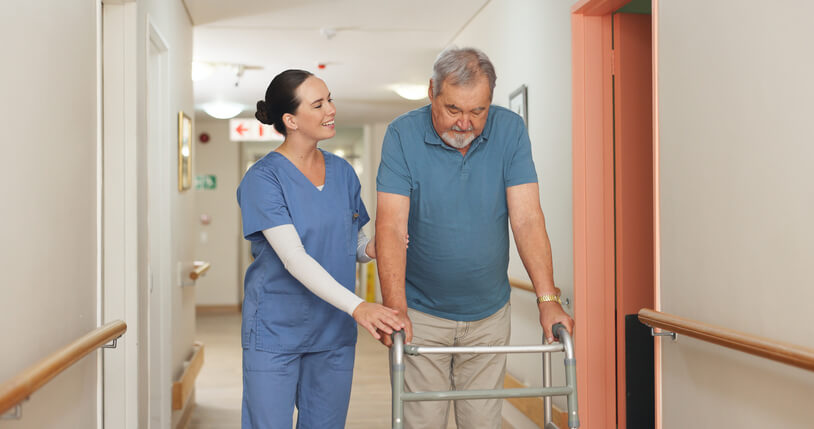
Afternoon: Problem-Solving on the Frontlines
The afternoon often brings the unexpected. A patient’s condition might shift, or an urgent admission could change the flow of the day. LPNs rely on quick thinking and teamwork, knowing when to take action themselves and when to call on other members of the healthcare team.
As the day closes, LPNs prepare patients for the evening, complete final medication rounds, and carefully document everything for the next shift. It’s demanding work, but also deeply rewarding. Every shift ends with the knowledge that lives were made easier, safer, or more comfortable.
What Is a Licensed Practical Nurse and Why Are LPNs Essential?
The role of an LPN blends science with empathy. They are trained in the technical side of healthcare, administering medications, monitoring conditions, and following complex care plans, but it’s their ability to provide steady, compassionate support that makes them indispensable. Families often remember the kindness of an LPN as much as the medical care itself.
With the demand for nursing professionals growing across British Columbia and beyond, the question “What is a Licensed Practical Nurse?” is more relevant than ever. For many, the answer is simple: they are the professionals who keep healthcare personal, safe, and compassionate.
For those already working as Health Care Assistants (HCAs) or Registered Care Aides (RCAs), moving into practical nursing can be a natural and fulfilling next step. DCC’s Practical Nurse Access Program in BC can be the perfect launchpad to a rewarding and fulfilling career as a Licensed Practical Nurse in Canada.
Practical Nurse Access Program at DCC
Discovery Community College offers a Practical Nurse Access Program designed specifically for HCAs and RCAs ready to advance their careers. By granting credit for previous training and experience, the program allows students to transition into nursing in less time.
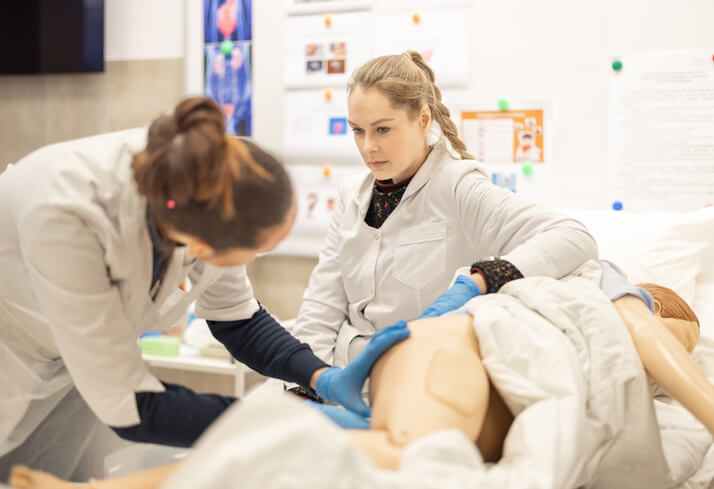
What sets this program apart is its emphasis on hands-on learning. Nursing is not a profession you can master from textbooks alone. That’s why students at DCC spend extensive time in real healthcare settings, working with patients under the guidance of experienced professionals.
Upon completion, students are ready to sit the Canadian Practical Nurse Registration Exam and earn the title of LPN. From there, doors open to work in hospitals, clinics, long-term care facilities, and community health organizations.
Do you want to take the next step in your career with access to practical nursing programs in BC?
Contact DCC for more information.