


TL;DR
What does a health care assistant do? The role varies by setting but always focuses on patient support. In BC, HCAs assist with daily living activities, monitor patient wellbeing, and support health care teams across long-term care, hospitals, and home environments.
If you’re exploring health care careers, you may be asking, “What does a health care assistant do?” The answer depends largely on where they work, but across all settings, the role centers on providing essential, hands-on care that supports patient comfort, safety, and dignity.
From long-term care homes to hospitals and private residences, health care assistant responsibilities adapt to meet patient needs. Understanding these differences can help you choose the right path and prepare for real-world expectations in BC.
What Does a Health Care Assistant Do?
What is a health care assistant in BC? The health care assistant job description in BC includes supporting patients with activities of daily living. This often involves helping with bathing, dressing, eating, mobility, and basic hygiene.
HCAs also monitor patients’ conditions, report changes to nurses, and provide emotional support. While they typically do not independently administer medications, their role is critical in maintaining overall patient well-being.
Training through a recognized Health Care Assistant program prepares students to handle these responsibilities safely and professionally.
Health Care Assistant Duties in Long-Term Care (LTC)
In long-term care settings, HCAs work closely with residents who require ongoing support due to age, illness, or disability. Daily routines are structured and often involve assisting multiple residents throughout a shift.
Tasks include helping residents with personal care, transferring them safely, supporting meals, and ensuring comfort. Building relationships is a key part of the role, as HCAs often become a consistent presence in residents’ lives.
Attention to detail and patience are essential, especially when supporting individuals with cognitive conditions such as dementia.
Health Care Assistant Duties in Hospitals
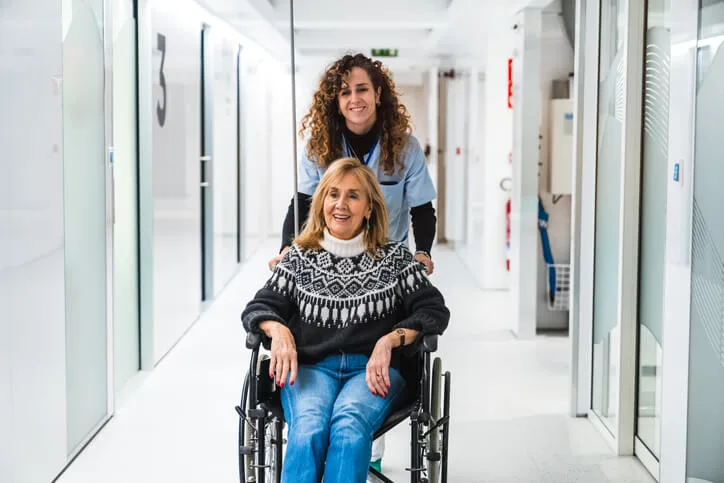
In hospitals, the pace is typically faster and more dynamic. HCAs support patients during shorter stays, often assisting with mobility, hygiene, and comfort after procedures or during recovery.
They may help transport patients, prepare rooms, and assist nurses with basic care tasks. Unlike long-term care, hospital environments require adaptability, as patient needs can change quickly.
Strong communication skills are especially important, as HCAs collaborate closely with nurses and other health care professionals.
Health Care Assistant Duties in Home Care
Home care offers a more personalized approach. HCAs work one-on-one with clients in their homes, providing supportive care and helping them maintain independence and quality of life.
Responsibilities may include meal preparation, light housekeeping, medication reminders, and companionship. This setting requires strong interpersonal skills and the ability to work independently.
Home care assistants often develop close relationships with clients, making trust and consistency critical.
Key Skills Employers Expect
Across all settings, employers look for a consistent set of skills. Compassion, reliability, and communication are fundamental. Physical stamina is also important, as the role can involve lifting, standing, and moving throughout the day.
Professionalism and adherence to care standards are essential, especially when documenting observations and reporting to health care teams. These skills are developed through structured career training programs, such as those offered at Discovery Community College.
What Health Care Assistants Cannot Do
What can health care assistants not do? While HCAs play a vital role, there are clear boundaries to their responsibilities. They do not perform regulated medical procedures such as administering injections, diagnosing conditions, or prescribing treatments.
Their role is supportive rather than clinical, ensuring patients receive consistent care while licensed professionals handle medical decisions. Understanding these boundaries is key to working safely and within scope.

Why This Role Matters in BC’s Healthcare System
Health care assistants are essential to BC’s healthcare system. According to the Government of British Columbia, HCAs are a key part of the care team, supporting patients in multiple settings and helping maintain system efficiency.
Their work allows nurses and other professionals to focus on complex medical tasks while ensuring patients receive continuous, attentive care.
Are you looking for a comprehensive Health Care Assistant program?
Contact DCC for more information.
Key Takeaways
Understanding what a health care assistant does reveals a role that is both practical and deeply impactful. Whether working in long-term care, hospitals, or home settings, HCAs provide essential support that improves patients’ quality of life.
With strong demand across BC, this career offers meaningful work, stability, and opportunities to grow within the healthcare field.
FAQ
What can health care assistants not do?
While HCAs play a vital role, there are clear boundaries to their responsibilities. They do not perform regulated medical procedures such as administering injections, diagnosing conditions, or prescribing treatments.
What is a health care assistant in BC?
The health care assistant job description in BC includes supporting patients with activities of daily living.
Are HCA and caregiver the same?
They are similar but not identical. HCAs are formally trained and work within health care systems, while caregivers may or may not have formal certification.
What is the difference between a care assistant and a caregiver?
Care assistants typically have formal training and work in regulated settings, while caregivers may provide informal or private support.