

TL;DR
Licensed Practical Nurses (LPNs) provide direct patient care, monitor health conditions, administer medications, and support healthcare teams in hospitals, long-term care facilities, and clinics. Their work is hands-on, fast-paced, and deeply meaningful.
If you’re considering a future in nursing, you’re likely asking a practical question first: what do LPN nurses do day in and day out? Beyond the job title, what does an LPN nurse actually handle during a shift, and what kind of impact do they have on patients?
Licensed Practical Nurses are often at the heart of daily patient care. They combine clinical skill with steady compassion, supporting individuals in moments that range from routine check-ups to recovery and long-term care. To understand the role clearly, it helps to walk through what an LPN’s day really looks like and why their work matters so much in today’s healthcare system.
What Do LPN Nurses Do on a Typical Shift?
So, what do LPN nurses do during a regular workday?
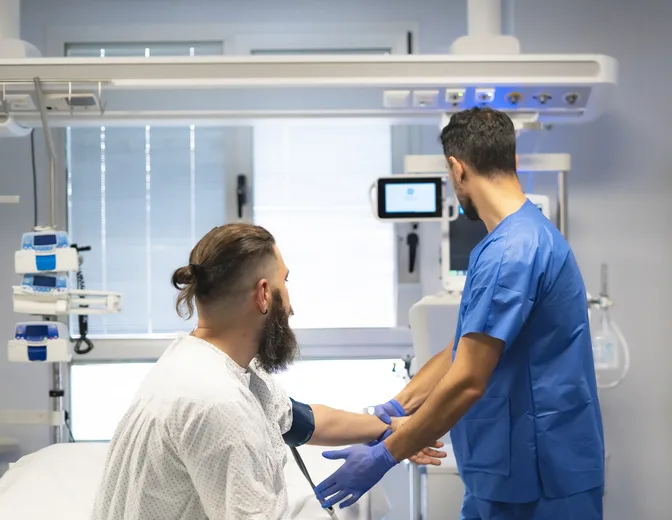
A shift often begins with reviewing patient charts and receiving a handover report from the previous nurse. LPNs check vital signs, assess patient conditions, administer medications, and document observations carefully. Throughout the day, they may assist with wound care, mobility support, hygiene, and monitoring chronic conditions.
According to the Government of Canada Job Bank, LPNs provide nursing care under the direction of physicians and registered nurses while maintaining accountability for patient safety and documentation.
In practical terms, an LPN balances clinical tasks with compassionate care. They answer questions, reassure families, and respond promptly and professionally to changes in patients’ conditions.
What Do LPNs Do at Nursing Homes Compared to Hospitals or Clinics?
What do LPN nurses do in different healthcare environments?
In long-term care homes, LPNs often manage consistent patient assignments. They build relationships with residents, monitor ongoing conditions, administer medications, and coordinate with healthcare providers and families.
In hospitals, LPNs may work in surgical units, acute care, or specialized departments. The pace is often faster, and responsibilities can include post-operative monitoring, IV therapy (depending on scope), and assisting with more complex procedures.
In clinics, LPNs may focus on patient intake, vaccinations, wound care, and health education.
What Is the Difference Between an LPN and an RN?
LPN stands for Licensed Practical Nurse. LPNs provide direct patient care and operate within a defined scope of practice. Registered Nurses (RNs) typically have broader authority in care planning, advanced assessment, and leadership responsibilities.
Both roles are vital. However, LPNs often spend significant time delivering hands-on, bedside care, making the role ideal for those who want direct patient interaction and visible impact.
From Classroom to Clinical Practice
Understanding what LPN nurses do begins during training. Through theory and supervised placements, students learn to apply clinical knowledge in real-world environments.
Clinical placements are where skills truly come to life. If you’re curious about how hands-on experience prepares students, read more about practical nursing clinicals.
If you’re still exploring whether this path is right for you, you may find insight in these reasons to become a licensed practical nurse.
Building a Meaningful Healthcare Career
The work can be demanding. Shifts may include evenings, weekends, and emotionally complex situations. But for many, the rewards outweigh the challenges.
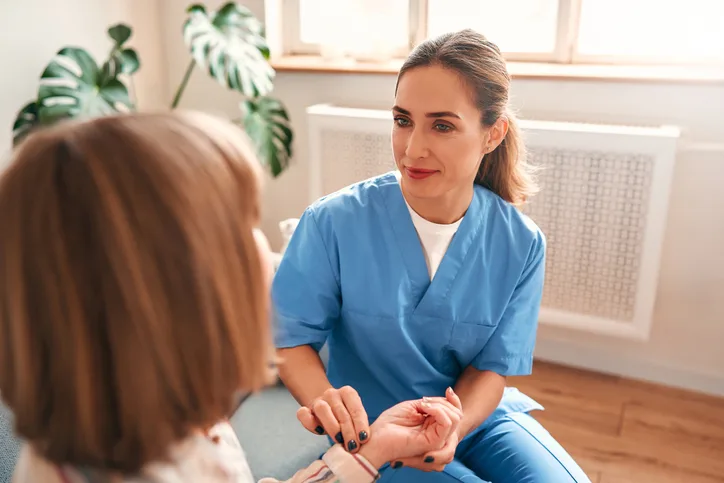
LPNs play a central role in patient comfort, recovery, and safety. They notice subtle changes, provide reassurance, and advocate for those in their care.
If you’re ready to become a practical nurse, structured training can prepare you for licensing and real-world responsibilities in British Columbia.
Would you like to become a practical nurse?
Contact Discovery Community College for more information.
Key Takeaways
- LPNs provide hands-on patient care throughout the day, including vital signs, basic assessments, and comfort support.
- A typical LPN shift blends clinical tasks and communication, requiring strong organization, teamwork, and professionalism.
- LPN responsibilities vary by setting, with long-term care often focusing on ongoing support and hospitals/clinics emphasizing fast-paced coordination.
- LPNs work closely with RNs, physicians, and healthcare teams, helping ensure care plans are followed and patients are monitored consistently.
- Training and clinical placements help prepare students for real-world patient care, documentation, and safe clinical decision-making.
FAQ
Q: What do LPN nurses do on a typical shift?
A: They monitor vital signs, administer medications, assist with daily living activities, document patient progress, and collaborate with healthcare teams.
Q: What do LPNs do at nursing homes compared to hospitals or clinics?
A: In long-term care, LPNs often manage consistent resident care. In hospitals, they support acute and post-operative patients. In clinics, they focus on intake, procedures, and patient education.
Q: What is the difference between an LPN and an RN?
A: LPNs provide hands-on nursing care within a defined scope, while RNs typically have broader responsibilities in care planning, assessment, and leadership.