

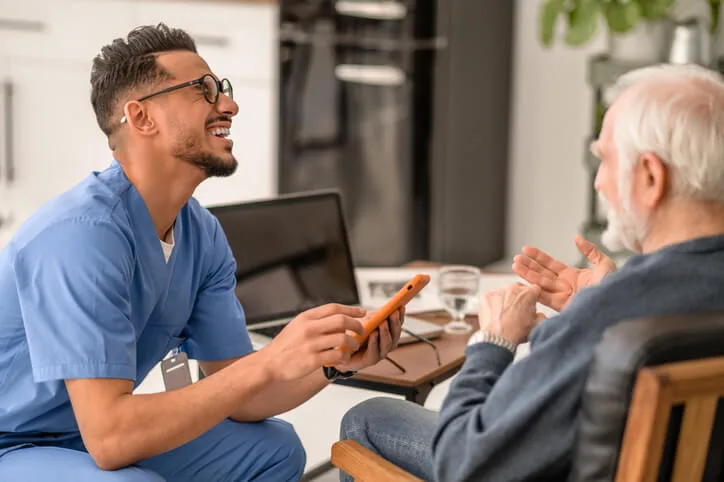
Through healthcare assistant training at Discovery Community College, students learn how to bring empathy and clarity to every interaction. Each conversation with a client or family member presents an opportunity to build trust, alleviate worry, and foster a lasting sense of comfort.
Families remember kindness long after a shift ends. They notice the way a Health Care Assistant listens, reassures, and communicates with genuine compassion. That’s why strong communication isn’t just a professional skill; it’s a reflection of the care and respect that define this role.
Why Communication Matters in Health Care Assistance
Families place deep trust in HCAs to care for their loved ones with compassion and competence. While technical skills are crucial, communication is often what defines an exceptional caregiver.
Good communication builds confidence. It reassures families that their loved one’s needs are being met with respect and professionalism. It also strengthens teamwork among healthcare professionals, preventing misunderstandings and improving client outcomes.
In your healthcare assistant career, these abilities can also open doors to leadership opportunities and long-term growth. Employers consistently value HCAs who combine strong caregiving skills with clear, empathetic communication.
Core Communication Skills Families Notice Most
1. Active Listening
Families can tell when you’re fully engaged in a conversation. Active listening means giving your full attention, maintaining eye contact, and reflecting what you’ve heard. For example, saying, “It sounds like you’re concerned about your mother’s comfort at night,” shows understanding and encourages trust.
2. Empathy in Every Interaction
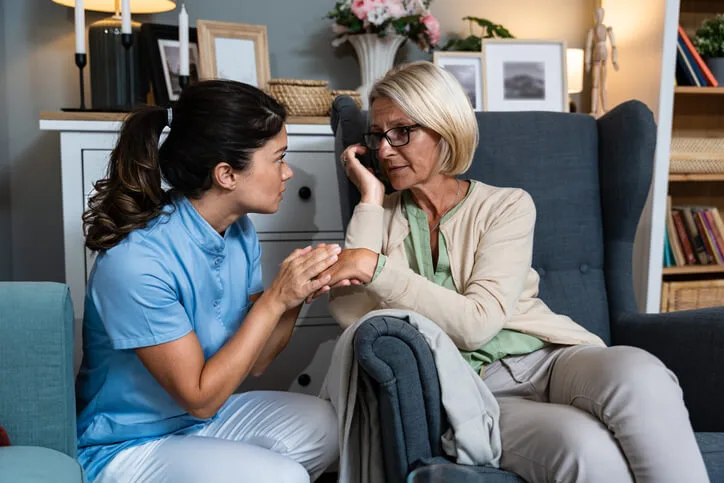
Empathy is the foundation of compassionate care. By showing a genuine understanding of a family’s emotions, you help them feel supported. This doesn’t require lengthy conversations; sometimes a kind tone or reassuring smile can communicate care more effectively than words.
3. Professional Clarity
Healthcare assistant training graduates often act as the communication link between families and healthcare providers. Using clear, respectful language avoids confusion and builds credibility. If you’re uncertain about an answer, it’s always better to say, “Let me confirm that with the nurse and get back to you.” Professionalism and honesty go a long way toward building trust.
4. Non-Verbal Communication
Body language, facial expressions, and tone of voice all contribute to how your message is received. Standing at eye level, maintaining an open posture, and speaking gently can help clients and families feel safe and respected.
5. Patience Under Pressure
In healthcare environments, emotions can run high. Patience allows you to stay composed, listen fully, and respond thoughtfully, even when others are frustrated or upset. Families notice when you remain calm. It reassures them that their loved one is in capable hands.

How DCC Helps You Build These Skills
Students in Discovery Community College’s healthcare assistant training program don’t just learn theory; they practice communication in realistic scenarios. Role-playing exercises, client simulations, and supervised practicums prepare you to handle sensitive conversations with confidence.
You’ll also study human behavior, aging, and family dynamics to better understand what clients and their families need most. This combination of practical and interpersonal training sets DCC graduates apart as compassionate, professional caregivers.
Communication as a Career Advantage
Strong communication doesn’t just make you a better caregiver; it can help you advance your healthcare assistant career. Employers value professionals who can advocate for clients, collaborate effectively, and maintain composure in challenging situations.
These skills are also transferable, meaning they can support your growth into roles such as team leader, coordinator, or supervisor within healthcare facilities. When families remember your kindness and clarity, it reflects positively on both you and your organization.
Start Your Journey at Discovery Community College
At Discovery Community College, we believe the best caregivers combine knowledge with heart. Our healthcare assistant training program helps you develop the communication and clinical skills needed to succeed in this meaningful profession.
Join a career college that values compassion as much as competence and take the first step toward a career that makes a difference in people’s lives every day.
Would you like to explore programs at our career college?
Contact Discovery Community College for more information.