


If you’re considering a healthcare career that blends hands-on care with meaningful patient interaction, becoming a licensed practical nurse (LPN) may be the right path for you. But before beginning your journey, it’s essential to understand what the licensed practical nurse’s scope of practice really entails, especially in British Columbia.
LPNs are vital members of Canada’s healthcare system, working closely with registered nurses, physicians, and other professionals. In BC, their scope of practice is clearly defined by the BC College of Nurses and Midwives (BCCNM), with a focus on providing safe, competent, and ethical care.
What Is the Scope of Practice for an LPN?
The scope of practice for an LPN refers to the range of activities and responsibilities an LPN is legally allowed to perform based on their education, training, and regulatory guidelines. In BC, LPNs are authorized to:
- Conduct health assessments and monitor patient status
- Administer medications and injections (including immunizations)
- Provide wound care and assist with medical procedures
- Support patients with daily living tasks (bathing, dressing, mobility)
- Communicate with families about care plans and progress
- Collaborate with interdisciplinary healthcare teams
LPNs can work in hospitals, long-term care homes, clinics, rehabilitation centers, and home care settings. Their duties often overlap with those of registered nurses, but the level of complexity and independence differs. In many cases, LPNs work under the direction or in collaboration with RNs or physicians.
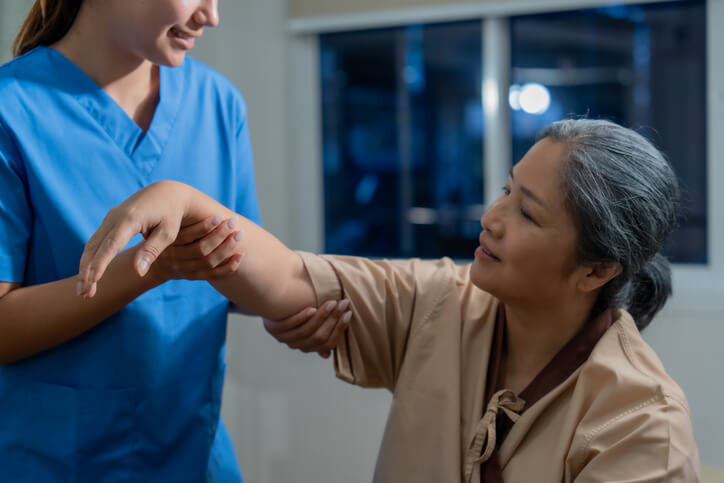
LPN Scope of Practice in British Columbia
The LPN scope of practice in BC is governed by provincial regulations and subject to employer policies. What sets BC apart is the emphasis on autonomy. LPNs in this province are authorized to make clinical judgments in stable and predictable environments. This means they can:
- Independently assess, plan, implement, and evaluate care for patients with well-defined health conditions
- Contribute to more complex care under supervision
- Take on leadership roles within their scope in some facilities
This broader scope allows LPNs in BC to enjoy a dynamic and engaging role, making a significant difference in patient outcomes.
How Training Supports Scope of Practice
To fully embrace the licensed practical nurse’s scope of practice, comprehensive education is key. At Discovery Community College, our practical nurse diploma prepares students for the realities of this demanding yet rewarding profession.
Students in the program learn:
- Human anatomy and physiology
- Integrated nursing practice
- Clinical procedures and infection control
- Professional communication and health promotion
- Mental health and gerontology care
Additionally, learners complete supervised clinical placements, ensuring they graduate ready to deliver quality care from day one.

Why Become a Practical Nurse?
There are many reasons to become a practical nurse. The profession is ideal for those who want to make a tangible impact in people’s lives while working in a fast-paced healthcare environment. Benefits include:
- High employability in BC’s growing healthcare sector
- Opportunities to specialize or pursue further education
- Meaningful patient interactions and community contribution
- Competitive salaries and flexible work settings
If you’re passionate about caregiving, communication, and clinical skills, a career in practical nursing could be the perfect fit.
Start Your Journey With Confidence at Discovery Community College
Understanding the licensed practical nurse’s scope of practice is the first step in preparing for a fulfilling healthcare career. In British Columbia, LPNs enjoy a well-defined, respected, and evolving role that continues to grow with healthcare demands.
With the right training, you’ll be equipped with the knowledge, skills, and clinical experience to thrive in this essential profession. Whether you’re just beginning or looking for a new direction, Discovery Community College can help you launch your career with confidence.
Are you ready to begin Practical Nurse training?
Contact DCC for more information.